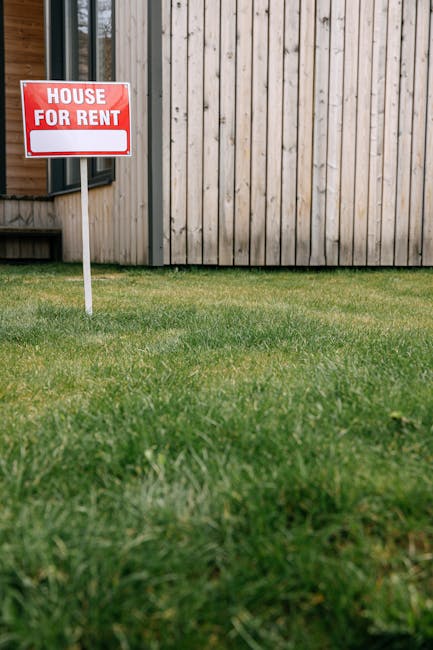
Landlord gardeners Thornton Heath rental property care: a practical guide for keeping rentals tidy, compliant, and easy to let
If you manage a rental in Thornton Heath, you already know the garden can become a problem quicker than the kitchen tap starts dripping. One month it looks decent, then rain, shade, and a bit of tenant turnover later, and suddenly the outdoor space is dragging the whole property down. That is where landlord gardeners Thornton Heath rental property care becomes genuinely useful: not as a nice extra, but as part of keeping a let clean, presentable, and simpler to maintain.
Done properly, garden care protects curb appeal, reduces complaints, and helps a property feel looked after from the moment someone walks up the path. It also makes handovers easier. In this guide, we'll break down what landlord-focused garden maintenance involves, how it works, what to prioritise, where problems usually appear, and how to make sensible decisions without overcomplicating things. Fair warning: a few small habits can save a lot of hassle later.
Table of Contents
- Why landlord garden care matters
- How rental property garden care works
- Key benefits and practical advantages
- Who needs this and when it makes sense
- Step-by-step guidance
- Expert tips for better results
- Common mistakes to avoid
- Tools, resources and recommendations
- Law, compliance, standards, and best practice
- Options, methods, and comparison
- Case study or real-world example
- Practical checklist
- Conclusion
- Frequently asked questions
Why landlord gardeners Thornton Heath rental property care Matters
Rental gardens are a bit different from owner-occupied ones. Tenants may love the space, or they may only want it to stay usable and low-maintenance. Either way, the responsibility for keeping the outdoor area presentable usually lands with the landlord, the managing agent, or whoever is coordinating upkeep between tenancies.
In Thornton Heath, where many properties have front gardens, small rear patios, shared paths, or compact lawns, neglect shows quickly. Overgrown hedges, mossy paving, patchy lawns, and dumped garden waste do not just look untidy. They can make the property feel harder to care for, and that can affect how quickly it lets, how smoothly inspections go, and how tenants treat the space.
There's also a practical side. A garden that is already under control is easier to hand over, easier to inspect, and easier to restore if a tenant has not kept on top of things. You do not need a showpiece. You need a space that looks intentional. That's the real goal.
For landlords who want a broader upkeep plan, it often helps to view garden work alongside regular garden maintenance and, where needed, a one-off garden clearance after a long vacancy, tenancy change, or tenant neglect.
Expert summary: A rental garden should be safe, tidy, and easy to maintain. If it becomes a recurring issue, it is usually cheaper to fix the system than to keep reacting to the mess.
How landlord gardeners Thornton Heath rental property care Works
At a simple level, landlord garden care is a planned service rather than a rescue mission. The aim is to keep the outside space in a condition that suits the property, the tenancy, and the maintenance budget. In practice, that usually means setting a routine, identifying the high-risk areas, and deciding what is tenant-friendly versus what should stay under professional care.
A good service usually starts with a walkthrough. That may be as straightforward as checking the lawn, hedges, access points, fencing edges, drains, and any areas where weeds or litter tend to collect. From there, tasks are prioritised. A lawn may need mowing, a hedge may need trimming, and a cluttered border may need clearing before any lighter upkeep makes sense.
For some rentals, the work is seasonal. For others, it is monthly or every few weeks. The right rhythm depends on the garden size, how much sunlight it gets, and how the tenants use it. A north-facing garden with damp shade in Thornton Heath, for example, will often need different attention from a bright, open front garden that grows fast after every bit of rain.
Useful related services can be brought in as needed, such as lawn mowing for tidy presentation, hedge trimming for boundaries and privacy, or tree lopping and removal where branches are creating shade, risk, or ongoing leaf fall. If the garden has awkward levels, old timber, or tired features, landscape gardening or landscaping may also be part of the long-term plan.
Key Benefits and Practical Advantages
There are plenty of benefits, but the best ones are the ordinary, unglamorous ones. That's usually how property care works, to be fair.
- Better first impressions: A neat garden makes the whole property feel more cared for, even before someone steps inside.
- Smoother inspections: It is much easier to check a property properly when the outdoor space is not hiding debris, overgrowth, or blocked access.
- Fewer maintenance surprises: Regular care catches issues early, before roots, hedges, or wet patches become a bigger job.
- Better tenant experience: Tenants are more likely to respect a tidy, workable garden than a space that already feels abandoned.
- Reduced void-period stress: Between tenancies, you do not want to be dealing with overgrown borders at the same time as cleaning, decorating, and referencing.
- Potentially lower long-term costs: Keeping on top of small jobs often reduces the need for larger remedial work later.
A landlord in Thornton Heath might not need weekly visits, but even a modest schedule can stop the familiar cycle of "leave it for now, sort it later" becoming a three-hour cleanup. And yes, later always arrives inconveniently.
Who This Is For and When It Makes Sense
This type of garden care makes sense for a few different people. First, private landlords with one or two lets who want a dependable, no-drama upkeep routine. Second, managing agents handling multiple small gardens who need consistency more than cosmetic perfection. Third, landlords preparing a property for market, where the outside space needs to help, not hinder, the viewing.
It is especially useful when:
- a tenancy is ending and the garden needs a reset
- the tenant agreement leaves shared or external upkeep unclear
- the garden contains hedges, borders, or trees that grow quickly
- the property has been vacant for a while
- there are repeat complaints about weeds, mess, or access
- the landlord wants to standardise maintenance across several properties
Sometimes the right answer is a single tidy-up, then a lighter ongoing schedule. Other times the garden needs a more robust start. If the outdoor area has become heavily neglected, a deeper reset through garden clearance may be the best first move before any routine plan will actually stick.
Step-by-Step Guidance
If you want the process to run smoothly, keep it simple and structured. The best maintenance plans are often the least fussy.
- Inspect the garden properly. Look at lawns, hedges, drains, paths, borders, fences, and access points. Note what is cosmetic and what is causing practical issues.
- Decide what stays with the tenant and what stays with the landlord. A clear divide prevents awkward arguments later. Small pots and basic watering may sit with the tenant; larger, structural, or safety-related work usually does not.
- Set the maintenance frequency. Some gardens only need seasonal visits. Others need monthly or fortnightly care, especially in spring and summer.
- Prioritise safety and access. Remove trip hazards, overhanging branches, and blocked walkways first. Looks matter, but safety comes first.
- Book the right tasks together. A mowing visit can be paired with hedge cutting or border tidy-up so the property looks finished rather than half-done.
- Document the condition. Keep notes and dated photos at tenancy changeovers. This helps with accountability and practical planning.
- Review after a few visits. If the same problem keeps returning, adjust the schedule or the scope. Sometimes the garden just needs a different approach.
A small but useful habit: after each visit, walk back to the pavement and look at the property from the street. You notice things at that angle that are easy to miss up close. A straggly hedge or messy verge jumps out immediately.
Expert Tips for Better Results
In our experience, the best landlord garden care is about managing growth, not chasing it. That sounds obvious, but it is where many rentals drift off course.
1. Keep hedge lines consistent. Uneven hedges make a property look neglected even when the rest of the garden is tidy. Clean lines create a sense of order.
2. Choose low-maintenance planting where possible. If you are improving the garden between tenancies, think about plants that are hardy and forgiving. Tenants vary. Gardens should be able to cope.
3. Avoid mixing too many "quick fixes." A fresh edge here, a random plant there, a loose patch of gravel somewhere else - it can start to look cluttered fast. Simpler is usually better.
4. Keep waste removal in the plan. Clippings, leaves, and bags of debris are part of the job, not an afterthought. Leaving them behind can undo the good work in ten minutes flat.
5. Use the same standards every time. If each inspection follows different expectations, nobody wins. Consistency saves arguments.
6. Think seasonally. Spring growth is not the same as late-autumn leaf drop. A garden near trees or tall neighbouring greenery may need a different schedule in October than it does in May. Simple, but often overlooked.
And one more thing: do not wait until the garden looks embarrassing before acting. By then, you are already paying the panic tax.
Common Mistakes to Avoid
Most garden issues in rentals are not dramatic. They are just neglected in small ways until they become annoying in bigger ways.
- Assuming the tenant will do everything: Unless the tenancy agreement clearly says so, that can get messy and lead to disputes.
- Booking one-off work only when a complaint arrives: Reactive maintenance usually costs more emotionally, if not always financially.
- Ignoring overgrowth near paths or entrances: That is where a tidy garden becomes a safety issue.
- Letting hedges grow into a privacy problem: Too high, too wide, too messy - any of those can create tension with neighbours or tenants.
- Skipping seasonal resets: A winter tidy-up or spring refresh often prevents the garden from sliding downhill.
- Using the wrong level of service: A neglected rental rarely needs "just a quick mow." It may need proper clearance, pruning, and a reset.
One of the biggest mistakes? Not matching the garden to the kind of tenancy. A short-let style property and a long-term family rental need different practical approaches. The plants, paths, and maintenance rhythm all have to make sense together.
Tools, Resources and Recommendations
You do not need a shed full of fancy kit to manage rental garden care well. What matters is the right mix of tools, planning, and follow-up.
Useful items and resources include:
- Basic recording system: A simple checklist, inspection notes, and dated photos after each visit.
- Seasonal schedule: A calendar reminder for spring, summer, autumn, and winter tasks.
- Clear tenancy notes: A written agreement about who handles mowing, watering, bins, and border upkeep.
- Professional support for heavier jobs: Especially where cutting back, clearing, or larger-scale maintenance is involved.
For landlords wanting a broader overview of available help, a good starting point is the site's services overview. It helps connect routine upkeep with more specific tasks such as mowing, hedge work, and clearance. If you are budgeting or comparing options, pricing and quotes is the natural place to look next. And if the question is more about how work is carried out safely and responsibly, the pages on insurance and safety and health and safety policy are worth reading in plain language.
If sustainability matters in your portfolio, take a look at recycling and sustainability. It is a sensible reminder that green waste, clippings, and clearance materials should be handled properly, not just tipped into the nearest corner and forgotten.
Law, Compliance, Standards, and Best Practice
Garden care for rental property is not usually a highly technical compliance issue, but it does touch on practical responsibilities. In the UK, landlords and agents should think carefully about safety, access, tenancy wording, and whether the outdoor area contains anything that could become a hazard.
Best practice usually means:
- keeping paths and entrances reasonably clear
- making sure branches or hedges do not create avoidable risk
- being clear in the tenancy agreement about who handles which tasks
- not leaving waste, cuttings, or tools where they could cause problems
- using competent, insured contractors where the work is more than basic tidying
If a tree is large, unstable, or positioned awkwardly near a boundary or structure, do not treat it like a casual Saturday job. That is where a specialist approach matters. Likewise, if a property has decking, sloped ground, or awkward outdoor structures, keep an eye on safe access and deterioration. A tidy garden can still hide a slippery board or a loose edge, and that matters more than people sometimes admit.
It is also wise to keep documentation. Photos before and after work, a dated service history, and a clear note of what was done can help avoid disputes. Nothing glamorous. Just good housekeeping.
Options, Methods, and Comparison Table
Not every rental garden needs the same treatment. The right method depends on condition, budget, and how much ongoing control you want.
| Approach | Best for | Strengths | Limitations |
|---|---|---|---|
| One-off tidy-up | Minor neglect, pre-tenancy preparation | Fast, simple, good for a reset | Does not prevent regrowth without follow-up |
| Scheduled maintenance | Occupied rentals needing steady care | Predictable, keeps standards consistent | Needs coordination and regular booking |
| Seasonal deep care | Gardens that change a lot through the year | Handles heavy growth, leaf fall, and resets | May not be enough for very fast-growing gardens |
| Full landscape refresh | Older rentals needing longer-term improvement | Can reduce future maintenance pressure | Higher initial effort and planning |
In practical terms, many landlords end up using a mix. For example, a one-off clearance before a new tenancy, then lighter monthly visits once the property is occupied. That is often the sweet spot. Not always, but often.
Case Study or Real-World Example
A Thornton Heath landlord with a modest rear garden and a narrow front patch was dealing with repeated complaints after each tenancy change. The garden was not huge, but it had become a classic "later problem" space: a few weeds at first, then an overgrown hedge, then clippings left behind after hurried DIY attempts. By the time the next viewing came around, the outside area looked tired and a bit forgotten.
The fix was not complicated. The garden was cleared, the hedge line was trimmed back to a proper shape, the lawn was mown, and the edges were made neat enough that the space looked intentional again. More importantly, the landlord then switched to a regular upkeep plan rather than waiting for the next gap in occupancy.
What changed? The property felt easier to present. Viewings were calmer. The tenant had clearer expectations about the outdoor space. And the landlord stopped dealing with the same mess over and over. That is the bit people often miss. The biggest win was not the tidy garden itself - it was the reduced friction.
Practical Checklist
Use this before a new tenancy, after a complaint, or whenever the garden starts to feel like one more thing on a very long list.
- Check whether the garden is safe and accessible
- Inspect lawn, hedge, borders, fences, and paths
- Remove rubbish, loose cuttings, and clutter
- Decide whether mowing, trimming, or clearance is needed
- Review the tenancy agreement for garden responsibilities
- Record the condition with notes and photos
- Book the right service frequency for the season
- Ask whether waste removal is included
- Consider whether the layout could be simplified for easier upkeep
- Set a reminder for the next inspection or visit
If a garden has become more than a tidy-up job, it is usually better to act now than to wait for the weather, the weeds, and the complaints to all arrive at once. They tend to travel together, annoyingly.
Conclusion
Landlord gardeners Thornton Heath rental property care is really about control, confidence, and keeping the property easy to manage. A neat outdoor space supports the tenancy, helps with inspections, and reduces the kind of small problems that turn into expensive nuisances later. It does not need to be fancy. It just needs to be looked after properly.
The most effective approach is usually the simplest one: inspect regularly, choose the right mix of maintenance and clearance, keep responsibilities clear, and use professional help where the job is bigger than a quick tidy. Do that, and the garden stops feeling like an unpredictable extra. It becomes part of the property's strength.
Get a free quote today and see how much you can save.
If you are still refining your maintenance plan, it can also help to learn more about the business itself through the about us page, or go straight to contact us when you are ready to discuss the next steps. Sometimes the simplest conversation sorts out weeks of uncertainty.
Frequently Asked Questions
What does landlord garden care usually include?
It usually includes mowing, hedge trimming, weed control, clearing dead growth, removing waste, and keeping access points tidy. Depending on the property, it may also include seasonal clearance or light landscape work.
How often should a rental garden in Thornton Heath be maintained?
That depends on the garden's size, exposure, and planting. Some need monthly visits, others only seasonal work. Fast-growing hedges or damp, shaded gardens often need closer attention than smaller, simple spaces.
Should tenants or landlords handle the garden?
That should be clearly set out in the tenancy agreement. Basic day-to-day tasks may sit with the tenant, while structural work, larger clearance, and safety-related maintenance usually sit with the landlord or managing agent.
What is the difference between garden clearance and garden maintenance?
Garden clearance is the heavier reset: removing overgrowth, rubbish, and accumulated debris. Garden maintenance is the ongoing work that keeps the space in good condition after that reset has been done.
Is regular garden care worth it for a small rental property?
Yes, usually. Small gardens can become messy very quickly, and they are often the first thing people see. A tidy front or rear space makes a disproportionate difference to how the property feels.
Do landlords need to worry about safety in rental gardens?
Yes. Paths, entrances, loose branches, slippery surfaces, and blocked access can all become issues. Best practice is to keep outdoor areas reasonably safe and deal with obvious hazards promptly.
Can hedge trimming help with privacy at a rental property?
Absolutely. A well-shaped hedge can improve privacy, frame the property neatly, and make the outside space feel more settled. Overgrown hedges tend to do the opposite.
What should I do before a new tenant moves in?
Inspect the garden, remove waste, mow or trim where needed, and make sure responsibilities are clear in writing. A clean start usually prevents a lot of back-and-forth later.
When does a rental garden need a full landscape refresh?
Usually when the layout is awkward, maintenance has become too time-consuming, or repeated repairs are not solving the same problem. A refresh can reduce future upkeep if it is planned carefully.
How do I choose between one-off and ongoing garden work?
If the garden is simply untidy, a one-off visit may be enough. If it keeps drifting into overgrowth, an ongoing schedule is often more sensible. Truth be told, recurring issues usually need recurring care.
What should I ask before booking garden work for a rental?
Ask what is included, whether waste removal is covered, how the work will be recorded, and whether the provider can handle clearance, mowing, hedge trimming, or other related tasks as needed.
Are there sustainability considerations for rental garden maintenance?
Yes. Clippings and green waste should be handled responsibly, and low-maintenance planting can reduce repeated work. It is worth thinking about how the garden will be maintained over the long term, not just how it looks today.